
The Finnish Meteorological Institute will host two key meetings of the European Union Space Surveillance and Tracking initiative, EU SST, in Finland from 16 to 18 December 2026. The three-day event will bring together representatives and experts from participating EU Member States for the 95th Steering Committee meeting, STC 95, and the 41st Coordination Committee meeting, COOC 41.
The meetings support the joint planning, coordination and development of Europe’s space surveillance and tracking capabilities. Regular committee meetings allow participating countries to review ongoing activities, coordinate future work and address matters related to sensors, data processing, service provision and the continued development of the European SST system.
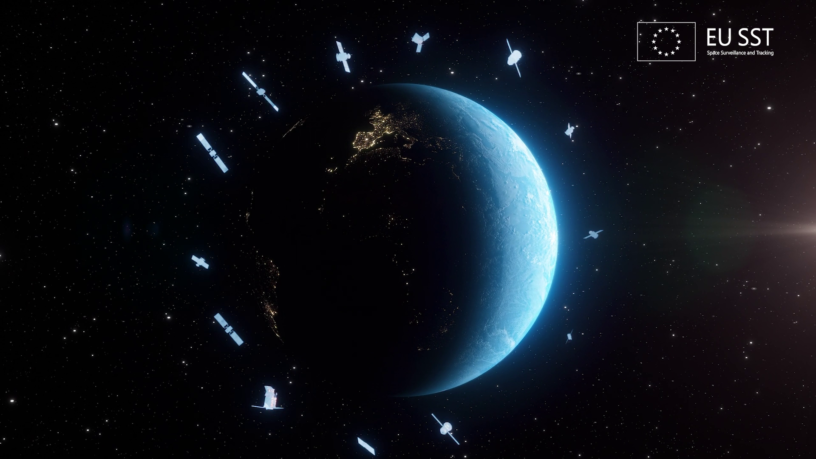
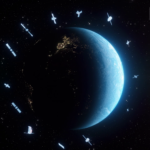
EU SST is part of the Space Situational Awareness component of the EU Space Programme. It combines national capabilities to monitor satellites, spent rocket stages, space debris and other human-made objects orbiting Earth. The cooperation currently includes national entities representing 19 EU Member States, with the European Union Agency for the Space Programme, EUSPA, acting as the EU SST Front Desk.
The participating countries contribute radars, optical telescopes, laser-ranging systems and data-processing capabilities to a shared European framework. The resulting information is used to provide three main operational services:
- Collision Avoidance, which assesses close approaches and potential collision risks involving operational satellites and other objects in orbit.
- Re-entry Analysis, which monitors and evaluates the uncontrolled return of human-made space objects into Earth’s atmosphere.
- Fragmentation Analysis, which detects and characterises break-ups, collisions and other fragmentation events in orbit.
These services are available through the EU SST Service Provision Portal to EU Member States, EU institutions, satellite owners and operators, and other approved public and private organisations. More than 400 organisations use EU SST services, and over 700 satellites receive support related to collision-risk monitoring.
Finland joined EU SST in November 2022, with the Finnish Meteorological Institute serving as Finland’s national entity and primary point of contact. Finnish participation provides access to European observations and analyses while also supporting the integration of national sensors and expertise into the wider European system.
FMI also hosts the Finnish Space Situational Awareness Centre, which develops and maintains Finland’s national civil space situational picture. Its activities include monitoring conditions that may affect satellites and space-based services, producing analyses and alerts, and coordinating the use of national observation capabilities.
Hosting STC 95 and COOC 41 provides Finland with an opportunity to contribute directly to the development of European space safety and to present its growing national capabilities to representatives from across Europe. The meetings also strengthen links between Finland’s national space situational awareness activities and the wider EU SST operational network.
As the number of satellites and debris objects in orbit continues to increase, reliable observations, timely analysis and close international coordination are becoming increasingly important. EU SST helps protect the space infrastructure that underpins services such as satellite navigation, telecommunications, Earth observation, weather forecasting and environmental monitoring.

Leave a Reply
You must be logged in to post a comment.